
Plumbing Problems at Home? Discover How to Repair Them Yourself!
They are an essential part of every household. Without proper maintenance, they can become an issue for many which can cause inconvenience and costly repairs.
There are numerous advantages of learning to resolve minor plumbing issues yourself like saving money and developing useful knowledge. In this article, we will cover common plumbing problems and how to fix them yourself. them.
Common Plumbing Issues
Dripping Faucets
Dripping faucets are not only frustrating, but they also waste a significant quantity of water in time. The most frequent cause for leaky faucets is a worn-out washer or O-ring. To fix this issue shut off the supply of water for the faucet. take out the handle, and replace the worn-out O-ring or washer.
Running Toilets
A running toilet is a common plumbing issue that can waste a lot of water. The most typical reason is a malfunctioning flapper valve that’s not sealing correctly, allowing water to flow from the tank into the bowl. To correct this problem, turn off the water supply to the toilet, remove the lid of the tank, then alter or replace the flapper valve.
Clogged Drains
The cause of blocked drains is by many things like soap, hair, or food particles. To fix this issue, you can try using a plunger or a drain snake to get rid of the obstruction. You can also make a mix of baking soda and vinegar to break up the blockage.
Low Water Pressure
Low pressure water in the pipes could be due to a variety of factors such as mineral buildup in pipes or a faulty pressure regulator. To fix this issue it is possible to clean the aerator or replacing the pressure regulator.
Tools Needed for DIY Plumbing
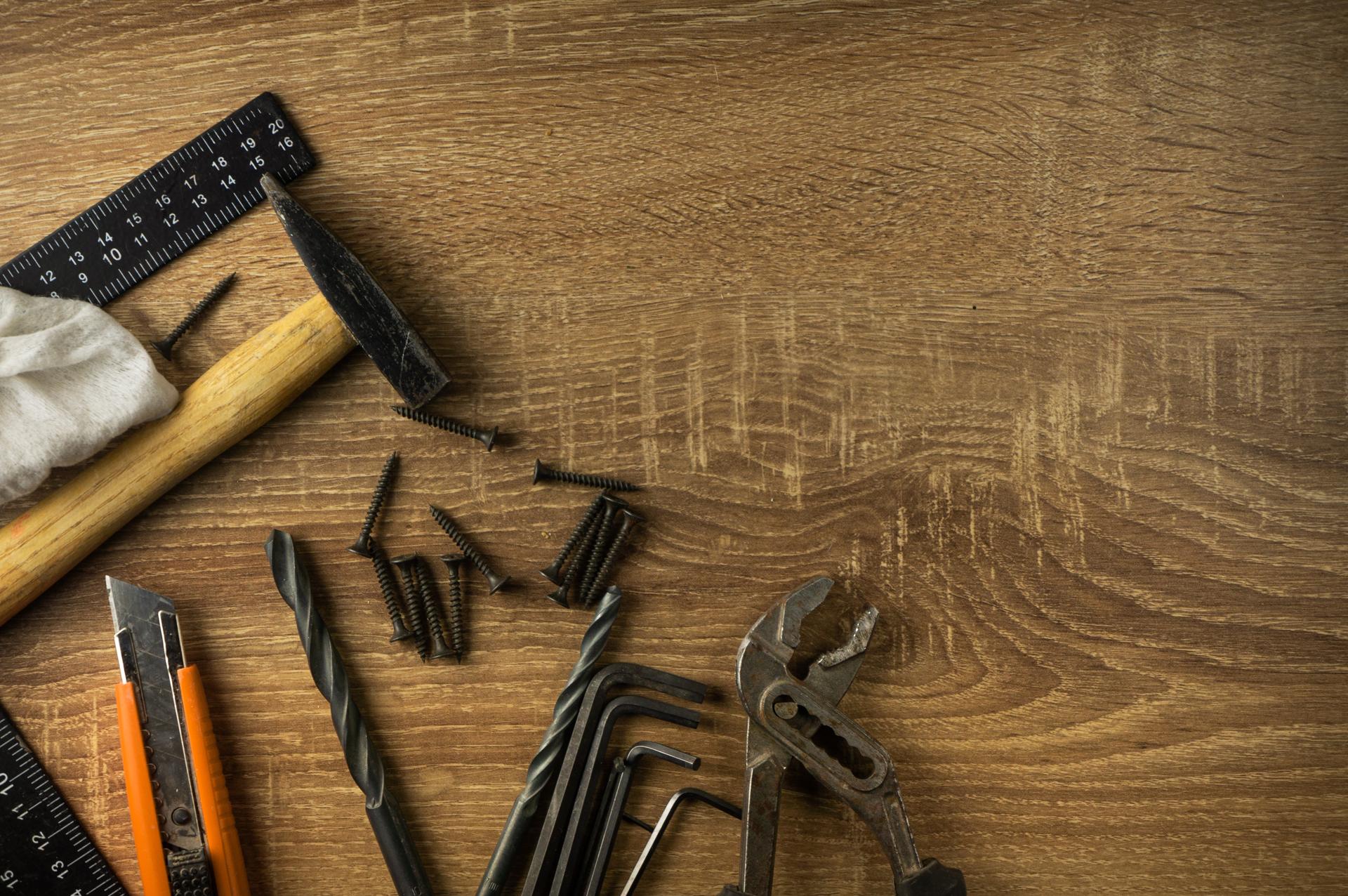
For DIY plumbing, you will need a few essential tools, such as an adjustable wrench, a plunger, pipe wrench, Teflon tape, and{ a|| the} screwdriver. With these tools in your arsenal, it will help you repair minor plumbing problems.
Tips to be Safe when doing your own plumbing
Security should be top of mind when performing any plumbing repair DIY. Some safety tips to keep in mind include turning off the water supply before making any repairs, and wearing gloves and safety glasses, and keeping a first-aid kit in case in the event of an emergency.
DIY Plumbing Techniques
To fix common plumbing issues it is necessary to know some DIY plumbing techniques such as how to shut off the water supply or repair a leaky faucet or an unresponsive toilet or unblock the drain, and also ways to increase the pressure in your water. These techniques can save you time and money on small plumbing repairs.
Conclusion
In conclusion, learning how to repair minor plumbing problems yourself can be beneficial in various ways. Not only will it help you save costs, but you could also give you satisfaction and valuable skills. For more serious plumbing problems, it’s best to call an experienced plumber.
FAQ
Can I fix a plumbing problem myself?
Yes, you can repair minor plumbing issues yourself, by learning a few basic plumbing skills.
What are the most frequent plumbing problems?
The most frequently encountered plumbing problems include dripping water from faucets clogged drains, and low pressure water.
What tools will I require for DIY plumbing?
There are a few important tools, such as an adjustable wrench, a plunger pipe wrench Teflon tape, and an screwdriver.
Is DIY plumbing safe?
DIY plumbing can be secure if you adhere to safety guidelines and take the appropriate precautions.
What is the best time to call for a licensed plumber?
It is recommended to contact a professional plumber to address plumbing issues that require special equipment and experience.